
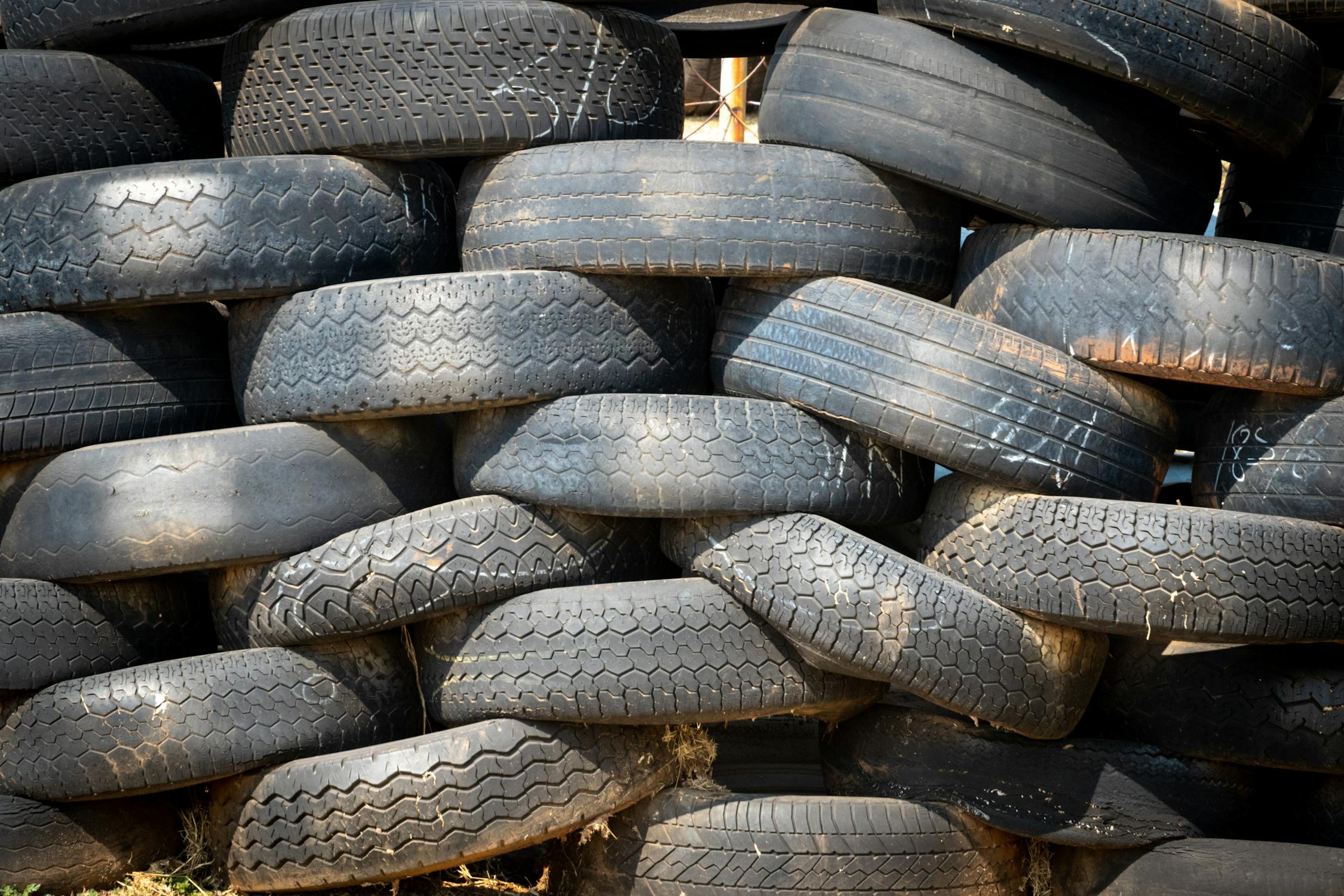
Bouncing to Success How to Make Money Selling Rubber
Rubber, a versatile and ubiquitous material, has applications across various industries, from automotive and construction to healthcare and consumer goods. While it may not be the first thing that comes to mind when thinking about entrepreneurial opportunities, the rubber industry offers numerous pathways to profit for creative and savvy individuals. In this comprehensive guide, we will explore the steps to make money by selling rubber products.
1. Understanding the Rubber Market
Before you dive into the business of selling rubber products, it's essential to grasp the intricacies of the rubber market. Consider these key factors:
Types of Rubber: Rubber comes in various forms, including natural rubber, synthetic rubber, and specialty rubbers. Determine which type(s) of rubber align with your business goals and target market.
Product Range: Rubber products encompass an extensive range, such as tires, gaskets, seals, hoses, belts, footwear, and more. Decide which specific rubber products you want to focus on or whether you'll offer a diverse selection.
Quality Standards: High-quality rubber products should meet industry standards and regulations. Ensure that your suppliers or manufacturers adhere to quality control measures.
Competitive Pricing: Research the market to set competitive pricing while considering factors like production costs, transportation, and profit margins.
2. Sourcing Rubber Materials
The foundation of your rubber business lies in sourcing or manufacturing quality rubber materials:
Suppliers: Establish relationships with reliable rubber suppliers who can provide consistent quality and timely deliveries. Negotiate pricing and terms that suit your business needs.
Manufacturing: If you plan to produce rubber products in-house, invest in the necessary machinery, equipment, and skilled labor. Ensure that your manufacturing processes meet industry standards.
3. Legal Compliance and Regulations
Ensure that your rubber business complies with all relevant laws and regulations, particularly those related to safety, environmental standards, and product labeling. Depending on the nature of your products, there may be specific regulations to adhere to.
4. Customization and Value-Added Services
To differentiate your rubber business, consider offering customization and value-added services:
Custom Rubber Products: Offer custom-designed rubber products tailored to the unique needs of your customers. This could include gaskets, seals, or specialty components.
Technical Support: Provide technical support and assistance to customers who require guidance on choosing the right rubber materials or solutions for their applications.
5. Sales Channels
Determine where and how you will sell your rubber products. Here are some common sales channels:
B2B Sales: Establish partnerships with businesses in industries that require rubber products, such as automotive manufacturers, construction companies, or healthcare facilities.
E-commerce Store: Create a user-friendly online store to showcase your rubber product catalog, facilitate online orders, and reach a global audience.
Trade Shows and Exhibitions: Participate in industry-specific trade shows and exhibitions to connect with potential clients and showcase your rubber products.
Distribution Networks: Collaborate with distributors or wholesalers to expand your reach and supply products to a broader customer base.
6. Marketing Your Rubber Business
Effective marketing strategies are vital for attracting customers and building brand recognition:
Online Presence: Create a professional website with detailed product information, customer testimonials, and contact details.
Social Media Marketing: Utilize platforms like LinkedIn, Twitter, and industry-specific forums to connect with potential B2B clients and build relationships.
Content Marketing: Share informative blog posts, articles, or whitepapers on topics related to rubber applications, product advantages, and industry trends.
Networking: Attend industry events, join professional associations, and network with potential clients and partners to establish credibility and visibility in the rubber industry.
7. Customer Service
Provide excellent customer service by addressing inquiries promptly, offering technical support, and ensuring a seamless ordering and delivery process. Building strong customer relationships can lead to repeat business and referrals.
8. Diversify Your Rubber Business
Consider expanding your rubber-related product offerings to diversify your revenue streams:
Recycling Initiatives: Explore rubber recycling opportunities or sustainable rubber product lines to cater to environmentally conscious consumers and businesses.
Consulting Services: Offer consulting services related to rubber applications, material selection, and efficiency improvements for clients seeking specialized expertise.
9. Scaling Your Rubber Business
As your rubber business grows, explore opportunities for expansion:
International Markets: Consider exporting your rubber products to international markets by navigating trade regulations and exploring overseas distribution partnerships.
Research and Development: Invest in research and development to create innovative rubber products or solutions that address emerging industry needs.
Making money by selling rubber products is a resilient and lucrative venture in various industries. By understanding the rubber market, sourcing or manufacturing quality rubber materials, implementing effective marketing strategies, and providing excellent customer service, you can turn your passion for rubber into a profitable and enduring business. Building a brand and fostering strong relationships within the industry take time and dedication, but with the right approach and commitment, you can bounce to success in the world of rubber, providing valuable solutions to clients and contributing to a wide range of industries.

0 $type={blogger}: